So, you’ve decided to do your English language exchange program in Ireland, great choice! But before you pack your bags, it’s essential to understand exactly how much money you’ll need each month to avoid any surprises during your first week in Dublin.
The truth is that Ireland isn’t the cheapest destination in Europe. However, with the right planning, you can have an amazing experience without breaking the bank. In this guide, you’ll find updated 2026 costs and practical tips to help you save money.
The Monthly Cost of Living for a Student in Dublin
In general, an international student needs between €1,300 and €1,700 per month to live comfortably in Dublin, including rent, food, transportation, and leisure activities.
Monthly Expenses by Category
🏠 RENT: €600 – €1,000 (room in a shared house)
🛒 FOOD: €200 – €300 (groceries plus occasional meals out)
🚌 TRANSPORTATION: €40 – €60 (student Leap Card)
🍺 ENTERTAINMENT: €100 – €150 (pubs, cinema, social activities)
💡 UTILITIES (WATER, ELECTRICITY, GAS): €30 – €60 (shared accommodation)
📱 MOBILE PHONE: €20 – €30 (prepaid plans with data)
💰 Realistic Monthly Budget for Dublin
| Expense | Estimated Cost |
|---|---|
| Rent (shared room) | €600 – €1,000 |
| Food (cooking at home) | €200 – €300 |
| Public transportation | €40 – €60 |
| Entertainment & social life | €100 – €150 |
| Utilities & phone | €50 – €90 |
| Estimated Total | €1,300 – €1,740/month |
💡 Quick Tip: Ireland’s minimum wage in 2026 is €14.15 per hour. Many students work part-time (up to 20 hours per week during term time) and can cover a significant portion of their living expenses.
HOUSING
Rent in Dublin: The Biggest Budget Killer
Rent is by far the largest expense in Dublin. The city has faced a housing shortage for years, and prices remain high in 2026.
For students, the most common accommodation options are:
🛏 SHARED ROOM: €600 – €750 (the most popular option among international students)
🏡 PRIVATE ROOM: €750 – €1,100 (more privacy, but significantly more expensive)
👨👩👧 HOST FAMILY (HOMESTAY): €850 – €1,050 (some include breakfast and dinner)
🏢 STUDENT RESIDENCE: €900 – €1,200 (great locations and flexible contracts)
Living outside the city center can save you between €150 and €250 per month on rent. The additional transportation cost is often worth the savings.
TRANSPORT
Getting Around Dublin: Luas, DART, and the Leap Card
🃏 SINGLE TRIP (LEAP CARD): €2.50 (students pay as little as €1 per journey)
📆 MONTHLY STUDENT PASS: €40 – €60 (unlimited access to buses, Luas, and DART)
🚲 DUBLIN BIKES: €35/year (excellent for city-center travel; first 30 minutes free)
A useful trick: after your first trip using a Leap Card, you have 90 minutes to transfer between buses and trains without paying another fare. Many students use this benefit to reduce commuting costs.
FOOD
Groceries and Restaurants: Where and How to Spend Less
Cooking at home is by far the best way to keep food costs under control. The cheapest supermarkets in Dublin are Lidland Aldi, making them the favorites among international students.
🏪 LIDL / ALDI: €200 – €280/month (most affordable option)
🛍 TESCO / DUNNES STORES: €260 – €350/month (greater variety, slightly higher prices)
🍽 CASUAL RESTAURANT MEAL: €12 – €18
🍕 DELIVERY / FAST FOOD: €10 – €15 (delivery fees can add up quickly, so use in moderation)
PRACTICAL TIPS
How to Save Money While Living in Dublin
Here are some of the most popular money-saving strategies used by experienced international students in Dublin:
🛒 Shop at Lidl or Aldi
These are Ireland’s most affordable supermarkets. Basic items such as eggs, bread, milk, and pasta can cost around 30% less than at Tesco.
🚲 Use a Bicycle Whenever Possible
Dublin is a very bike-friendly city. A Dublin Bikes annual subscription costs just €35—a fraction of a transportation pass. It’s healthy, convenient, and free for the first 30 minutes of every ride.
🏠 Live Outside the City Centre (But Near Public Transport)
Areas such as Tallaght, Clondalkin, and Swords offer significantly cheaper rent. With the Luas or DART, you can usually reach the city center within 40–50 minutes, saving €150–€250 per month on housing.
🎟 Take Advantage of Free Attractions
Dublin offers many free museums, including the National Museum of Ireland and the National Gallery of Ireland. Parks such as St. Stephen’s Green and Phoenix Park are perfect for a budget-friendly weekend.
📱 Get a Three Ireland Prepaid SIM Card
For around €20 every 28 days, you can access unlimited 5G data. It’s one of the most popular mobile providers among international students thanks to its affordability and strong nationwide coverage.
💼 Work Part-Time
With a student visa, you can work up to 20 hours per week during the academic term. At the 2026 minimum wage of €14.15 per hour, that’s up to €1,130 per month before taxes—enough to cover a substantial portion of your expenses.
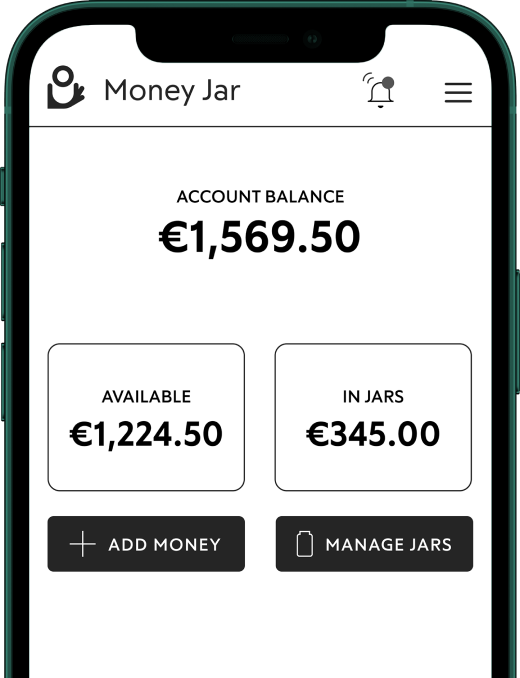
Manage Your Finances in Ireland with Money Jar
Knowing where every euro goes is just as important as earning it.
With a Money Jar account, you can track your spending in euros and save money when transferring funds from Brazilian Reais to Euros using Pix.
✅ Automatically categorize your expenses (rent, groceries, entertainment)
✅ Transfer euros to reais with lower fees
✅ Monthly budgeting tools and spending alerts
✅ 100% digital account opening—even before arriving in Ireland
✅ Saving €30 on transfer fees each month adds up to €360 per year—a meaningful amount when you’re watching every euro in Dublin.
CONCLUSION
Is Studying in Ireland Worth It in 2026?
Absolutely—but planning is essential.
Dublin is expensive, no doubt about it. However, it’s also one of Europe’s best cities for student job opportunities, has a large international community, and offers excellent English-language education.
With a monthly budget of around €1,300 to €1,700 and a bit of financial discipline, you can enjoy an incredible experience.
If your budget is tighter, consider Cork or Galway. Both cities offer excellent English schools, a lower cost of living, and a more authentic Irish experience.
Most importantly: plan ahead. Research accommodation early, open a financial account that makes managing money abroad easier, and arrive with enough savings to cover at least 2–3 months of living expenses while you settle in.
Good luck on your Irish adventure! 🍀