Ireland is one of the most popular destinations for international students looking to improve their English, gain international work experience, and legally work while studying.
If you’re planning to study in Ireland, it’s important to understand the country’s employment rules, minimum wage requirements, tax system, and how to receive your salary.
In this guide, you’ll learn everything you need to know about working in Ireland as an international student.
How many hours can students work in Ireland?
International students holding a Stamp 2 visa permission are allowed to work:
- Up to 20 hours per week during the academic term;
- Up to 40 hours per week during designated holiday periods.
These limits are strictly enforced, and working beyond the permitted hours could affect your immigration status and future visa renewals.
Before accepting extra shifts, always make sure you remain within the legal weekly limit.
What Is the Minimum Wage in Ireland?
As of January 2026, Ireland’s national minimum wage for employees aged 20 and over is €14.15 per hour. This means that a student working the maximum permitted hours could earn approximately: €283 gross per week while working 20 hours; €566 gross per week while working 40 hours during holiday periods. Many international students find jobs in sectors such as: Hospitality Cafés and restaurants Hotels Retail stores Customer service Cleaning services Tourism and events Depending on the role, experience, and location, some employers may offer wages above the minimum rate.
What Is a PPS Number?
Before starting work, you’ll need a PPS Number (Personal Public Service Number).
A PPS Number is similar to a tax identification number and is required for:
- Employment registration;
- Tax administration;
- Accessing public services;
- Claiming tax refunds.
Most employers will ask for your PPS Number shortly after you begin working.
What Is Emergency Tax?
One of the most common issues faced by newly arrived students is Emergency Tax.
Emergency Tax is applied when an employee starts working before their tax details are properly registered with Revenue, Ireland’s tax authority.
When this happens, a significantly higher rate of tax may be deducted from your salary, resulting in a much smaller take-home pay than expected.
The good news is that once your records are updated and linked correctly, any overpaid tax is usually refunded automatically through your payroll or directly by Revenue.
How to Avoid Emergency Tax
To minimize the risk of being placed on Emergency Tax:
- Apply for your PPS Number as soon as possible;
- Create your Revenue account;
- Register your employment through Revenue’s online system;
- Ensure your employer has your correct details.
Taking these steps early can save you a lot of stress and prevent unnecessary tax deductions.
Understanding Revenue: Ireland’s Tax Authority
Revenue is Ireland’s official tax authority and manages income tax, payroll records, and tax credits.
Through the Revenue online portal, you can:
- Register a new job;
- View your tax records;
- Manage tax credits;
- Claim refunds;
- Update your personal information;
- Monitor your employment history.
For international students, setting up a Revenue account is one of the most important administrative tasks after arriving in Ireland.
For official information and tax services, visit Revenue.ie.
How Do You Receive Your Salary in Ireland?
Most Irish employers pay wages directly into a bank account through electronic bank transfers.Because of this, having an account with an Irish IBAN can make starting a job much easier and help avoid payment delays.
Money Jar: A Practical Banking Solution for Students
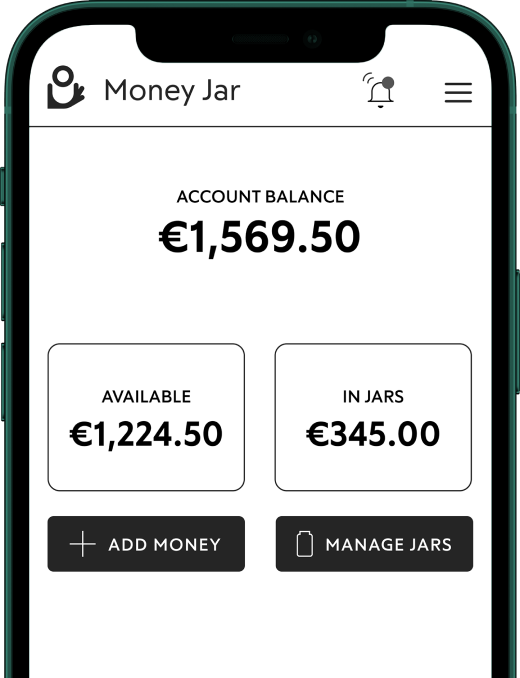
For international students who have recently arrived in Ireland, Money Jar is a convenient option for obtaining an Irish IBAN and receiving salary payments.
In addition to allowing you to receive your wages, Money Jar also provides tools that can help you manage your finances more effectively, including:
- Budget planning;
- Expense tracking;
- Savings goals;
- Money management features;
- Better control of monthly spending.
For students adjusting to the cost of living in Ireland, having a financial solution that combines everyday banking with budgeting tools can make managing money significantly easier.
Do Students Pay Taxes in Ireland?
Yes.
International students who work in Ireland are subject to the same payroll tax system as other employees.
Depending on your income level, deductions may include:
- PAYE (Pay As You Earn Income Tax);
- USC (Universal Social Charge);
- PRSI (Pay Related Social Insurance).
However, many students benefit from tax credits and relatively lower earnings, which often result in reduced tax liabilities.
This is another reason why keeping your Revenue account updated is essential.
Conclusion
Working while studying in Ireland can be a fantastic opportunity to gain professional experience, improve your English, and help cover your living expenses.
To ensure everything runs smoothly:
- Respect your visa work-hour limits;
- Apply for your PPS Number promptly;
- Register with Revenue;
- Avoid Emergency Tax by updating your records early;
- Open an account with an Irish IBAN to receive your salary;
- Develop good financial habits from day one.
With the right preparation, you can make the most of your student experience in Ireland while staying compliant with local employment and tax regulations.